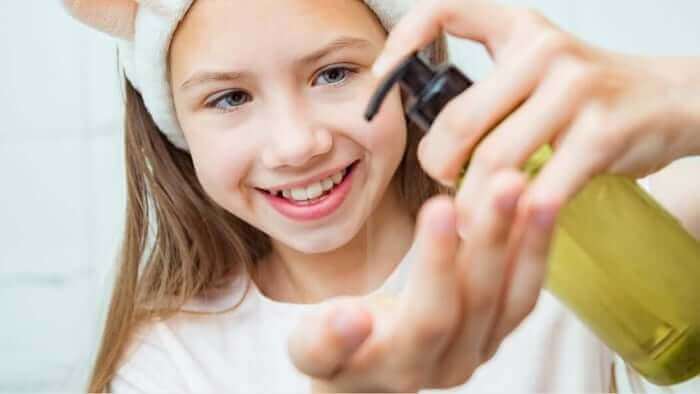
Italy's competition authority (AGCM) targets social media campaigns that led young girls to "compulsively" buy adult skincare, as part of the phenomenon known as "cosmeticorexia".
26 March 2026, officers from Italy's Guardia di Finanza (financial police) visited the offices of Sephora Italia, LVMH Profumi e Cosmetici Italia, and LVMH Italia to inspect key records as part of formal investigations into Sephora and Benefit for alleged unfair commercial practices linked to the marketing of adult skincare to children as young as 10.
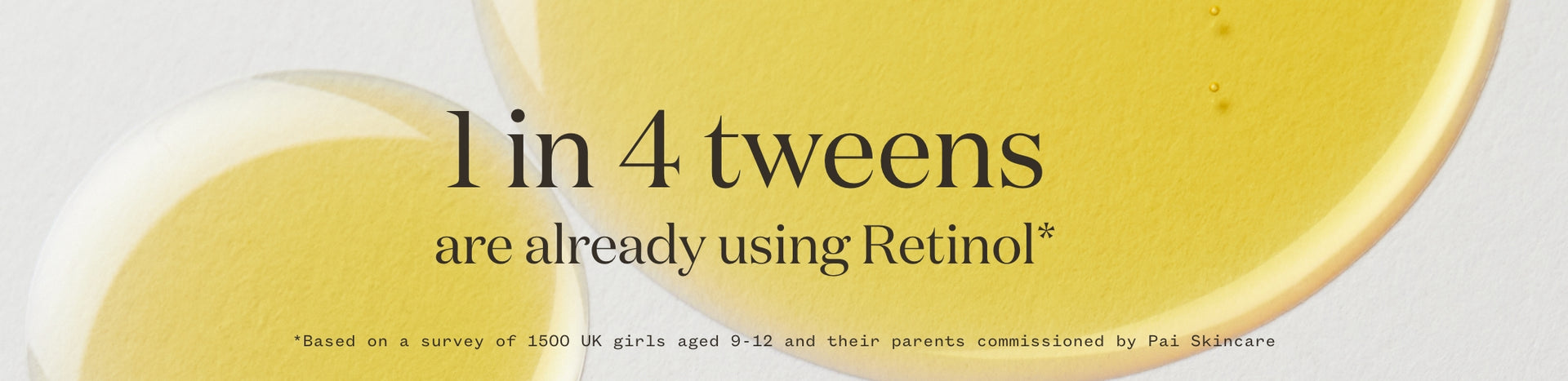
In 2025 Pai and the British Skin Foundation published groundbreaking research into what happens when adult skincare meets young skin, and prevalence of underage skincare use where 25% of 9-12 year olds (in Pai's survey) had used retinol and nearly 50% had already suffered a skin reaction.
What the AGCM found
The investigation centres on two concerns.
First, that key product information was either missing or misleading. Warnings and precautions for cosmetics not intended for, or tested on, minors may have been omitted both online and in Sephora stores. (Source: AGCM press release PS13110)
Second, and more concerning, the AGCM accused the brands of deploying covert influencer marketing using very young (8 to 12) micro-influencers to drive compulsive purchasing among children (Source: AGCM Italian press release).
The regulator linked these practices to "cosmeticorexia", an obsession with skincare among minors (probably better known in the USA and UK as the "Sephora Kids" phenomenon). AGCM warned bluntly that "the frequent and combined use of a wide range of cosmetics by minors, without proper awareness, may be harmful to their health."
According to Reuters, the AGCM is the first European regulator to open an investigation of this kind. (Source: Reuters, 27 March 2026)
LVMH said it would "fully co-operate with the authorities" and reaffirmed "strict compliance with applicable Italian regulations." (Source: CNBC, 27 March 2026)
This isn't just an Italian problem
Within 24 hours of the AGCM announcement, UK dermatologists were calling for similar action here.
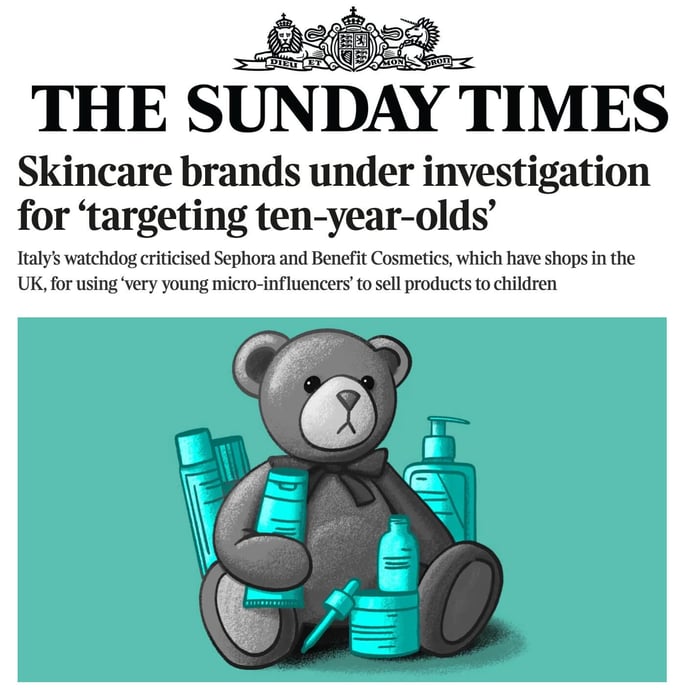
Dr Emma Wedgeworth, consultant dermatologist and British Skin Foundation spokeswoman, told The Sunday Times that the UK is seeing the same problem: very young children being sold the idea that they need elaborate skincare routines. She has called for a UK investigation and described treating young girls who had developed contact irritant dermatitis after using acids or retinoids. As she put it, these are pharmacologically active formulas being promoted in the same space as toys and games. (Source: The Sunday Times, 28 March 2026)
Stephanie Mallet, president of the French Society for Paediatric Dermatology, was even more direct. A child's skin, she told AFP, doesn't need anything. It is not too dry, not too oily, not too wrinkled. She described the investigation as "important" and said it is unacceptable to allow products with no benefit for the child, and potential risk, to be sold for profit. (Source: AFP/Malay Mail, 28 March 2026)
Our own research tells the same story
In 2025 Pai surveyed 1,500 British girls aged 9 to 12. One in four had already used retinol, a potent vitamin A derivative that dermatologists generally recommend people start using in their late twenties. And nearly half of the same sample had experienced redness, itching or irritation from their skincare routines. These are children whose skin barriers haven't finished developing yet.
The Sunday Times cited our survey directly in its coverage of the Italian investigation, alongside findings from Girl Talk magazine showing that 10% of eight-year-olds are now using eye cream.
The wider picture from our survey is just as striking:
| Finding | % of 9-12 year olds |
|---|---|
| Have used retinol products | 25% |
| Use multiple skincare products weekly | 46% |
| Have experienced a reaction to skincare | ~50% |
| Never check product labels | 55% |
| Receive skincare as gifts from family and friends | 58% |
| Are trying to fix "problem skin" that doesn't exist yet | 48% |
| Follow influencer recommendations | 41% |
Source: Pai Skincare survey of 1,500 British girls aged 9-12, 2025
We also conducted a pioneering clinical study with the British Skin Foundation, the first of its kind, to examine how the skin microbiome changes from childhood into adolescence. Using inter-family testing (tween and teen sisters alongside their mothers), we found that tween skin lacks Cutibacterium acnes, the bacteria responsible for producing the sebum that protects the skin barrier.
Put simply: under-12s are missing crucial protective oils. Their skin barrier is underdeveloped. And products like retinol, which naturally dry out the skin, can cause real damage to skin that isn't ready for them.
Read our full Guide to Tween Skin >
Sources
- AGCM Press Release PS13110 (English): en.agcm.it
- AGCM Press Release PS13110 (Italian): agcm.it
- Reuters, "Italy investigates Sephora over marketing cosmetics to children", 27 March 2026
- CNBC, "Italy investigates Sephora and Benefit over skincare marketing to children", 27 March 2026
- The Sunday Times, "Skincare brands under investigation for 'targeting ten-year-olds'", 28 March 2026
- AFP/Malay Mail, "Italy investigates Sephora, LVMH over 'insidious' marketing of cosmetics to minors", 28 March 2026