
If you've got sensitive skin, you've probably written off exfoliation entirely.
If you've ever scrubbed your face with ground walnut shells and spent the next three days looking like you'd lost a fight with sandpaper, you'll understand why people with sensitive skin often skip exfoliation entirely. The jagged edges of traditional gritty scrubs cause micro-tears in the skin's surface, strip away protective lipids, and leave you red, raw, and questioning your life choices.
But here's the problem: skipping exfoliation altogether leaves dead skin cells to pile up like unopened post. Your skin looks dull. Feels rough. And that Rosehip BioRegenerate Oil you splashed out on? It's being absorbed by dead cells on the surface instead of the living ones underneath that actually need it.
The science of gentle buffing
Exfoliation isn't about punishment. It's about supporting your skin's natural cell turnover process, which slows from every 14 days in your twenties to every 30-plus days as you age. Those dead cells need a nudge to move along, but sensitive skin needs that nudge to be more of a gentle tap than a shove.
The key is choosing methods that work with your skin's structure, not against it. No jagged particles. No harsh acids. No friction burns. Just smart, gentle techniques that lift away the old without damaging the new.

Three ways to exfoliate without the aftermath
1. The daily polish: muslin magic
Our Organic Muslin Cloths are the gateway drug to gentle exfoliation. Use one with your Middlemist Seven Cleanser and the soft texture provides just enough friction to lift dead cells without any scratching. The textured side of our Dual-Effect Sensitive Skin Cloth works the same way, with an ultra-soft reverse for the eye area.
This isn't aggressive exfoliation. It's daily maintenance. Like brushing your teeth but for your face. (And yes, there are at least 10 other ways to use a muslin cloth, but gentle buffing remains our favourite.)
2. The weekly treat: spherical beads, not shards
When you want something more thorough, reach for Virtuous Circle Kukui & Jojoba Exfoliator. The perfectly spherical jojoba wax beads are the opposite of crushed walnut shells. They roll across your skin like tiny ball bearings, lifting away dead cells without a single scratch.
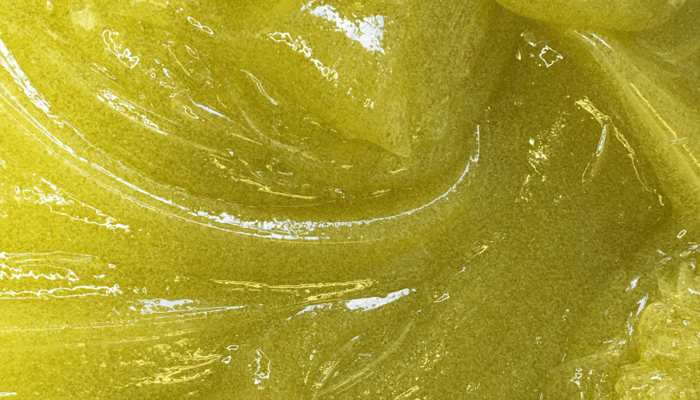
The kukui oil base does double duty: it conditions and protects your moisture barrier while the beads do their work. So instead of that tight, stripped feeling, you get skin that feels softer than before you started. It's a simple concept that makes all the difference.
3. The acid alternative (for the brave)
Chemical exfoliants sound scary but they're just fruit acids that dissolve the glue between dead cells. The problem? Most AHA and BHA products are formulated like paint stripper, with high acid concentrations and drying alcohols that sensitive skin can't handle.
If you want to try acids, look for formulas with naturally-derived AHAs at gentle concentrations. No alcohol. Plenty of soothing ingredients to balance the activity. Start slowly, patch test religiously, and listen to your skin. If it complains, stick to physical methods.
How often should sensitive skin exfoliate?
The honest answer: it depends on your skin. But here's how to work it out.
Start with once a week using your gentlest method (probably a muslin cloth). Does your skin feel smoother without any redness or tightness the next day? Good. Stick with that for a month.
If your skin handles weekly exfoliation well and still feels a bit dull or congested, try twice a week. But if you have rosacea, eczema, or your skin is actively inflamed, once every 10 days might be your limit. And that's fine. Better to under-exfoliate than overdo it and spend weeks repairing the damage.
The goal isn't baby-dolphin smoothness at any cost. It's healthy skin that functions properly. Sometimes that means accepting a bit of texture in exchange for an intact barrier.

The post-exfoliation opportunity
Here's the payoff: freshly exfoliated skin is primed to absorb whatever you put on it next. No dead cell barrier. Direct access to the living cells that actually benefit from your skincare.
This is when Rosehip BioRegenerate Oil works its magic. Those concentrated fatty acids, carotenoids, and antioxidants can actually reach your skin instead of sitting on top of a crusty layer. A few drops massaged in post-exfoliation and you'll see why we've sold millions of bottles of the stuff.
The bottom line? Sensitive skin doesn't have to mean dull skin. You just need to be smarter about how you slough. Gentle tools, spherical beads, careful technique. Your skin stays calm, your glow comes back, and you never have to explain why your face looks like you've been attacked by a cheese grater.
That's progress worth making.